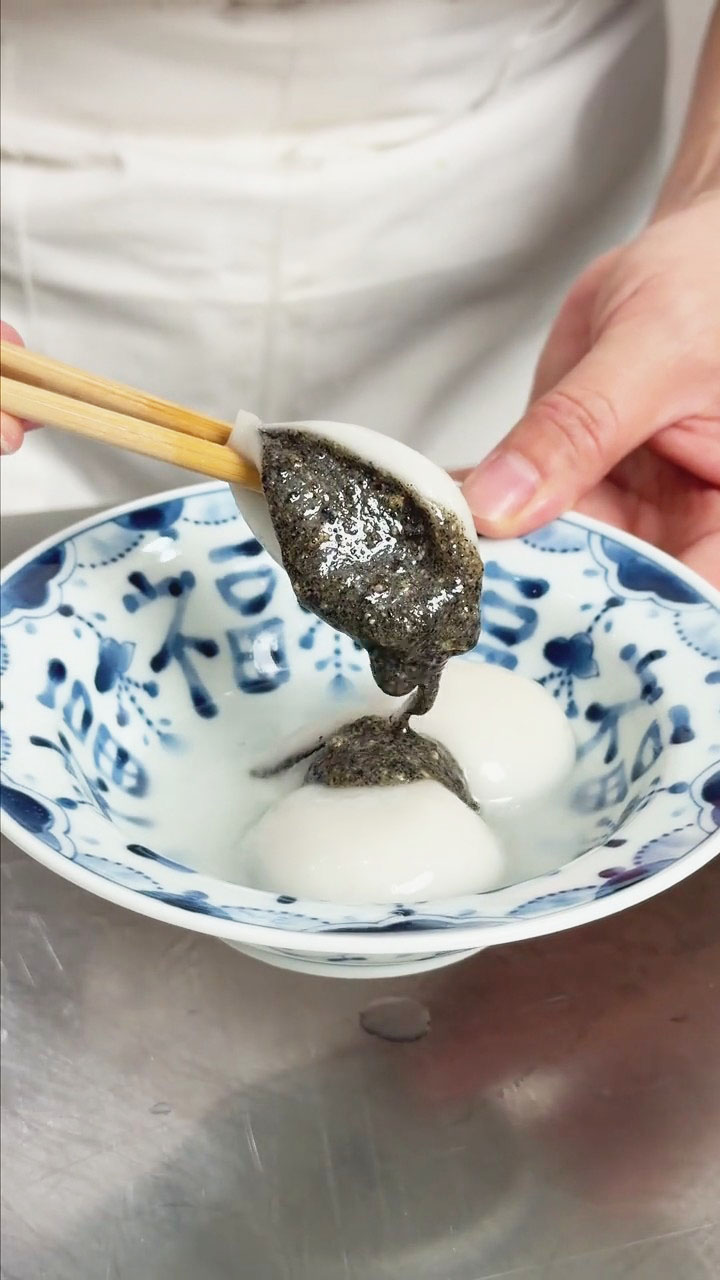
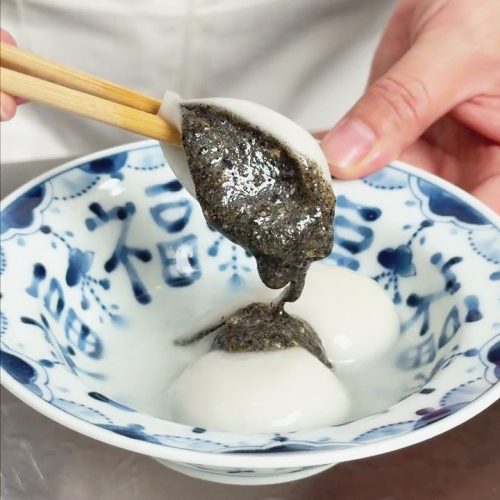
I always make these homemade lava tangyuan for the Lantern Festival because nothing feels more comforting than breaking one open and watching the warm filling flow out. The chewy, delicate skin and rich nutty center are pure nostalgia for me. If you’ve never made tangyuan from scratch, I promise this step-by-step method makes it completely doable.
These traditional Tangyuan are filled with a fragrant black sesame and peanut mixture that turns molten when cooked. The texture is soft and chewy without sticking to your teeth, and the filling is sweet, nutty, and silky. Perfect for Lantern Festival, winter nights, or anytime you crave a cozy homemade dessert.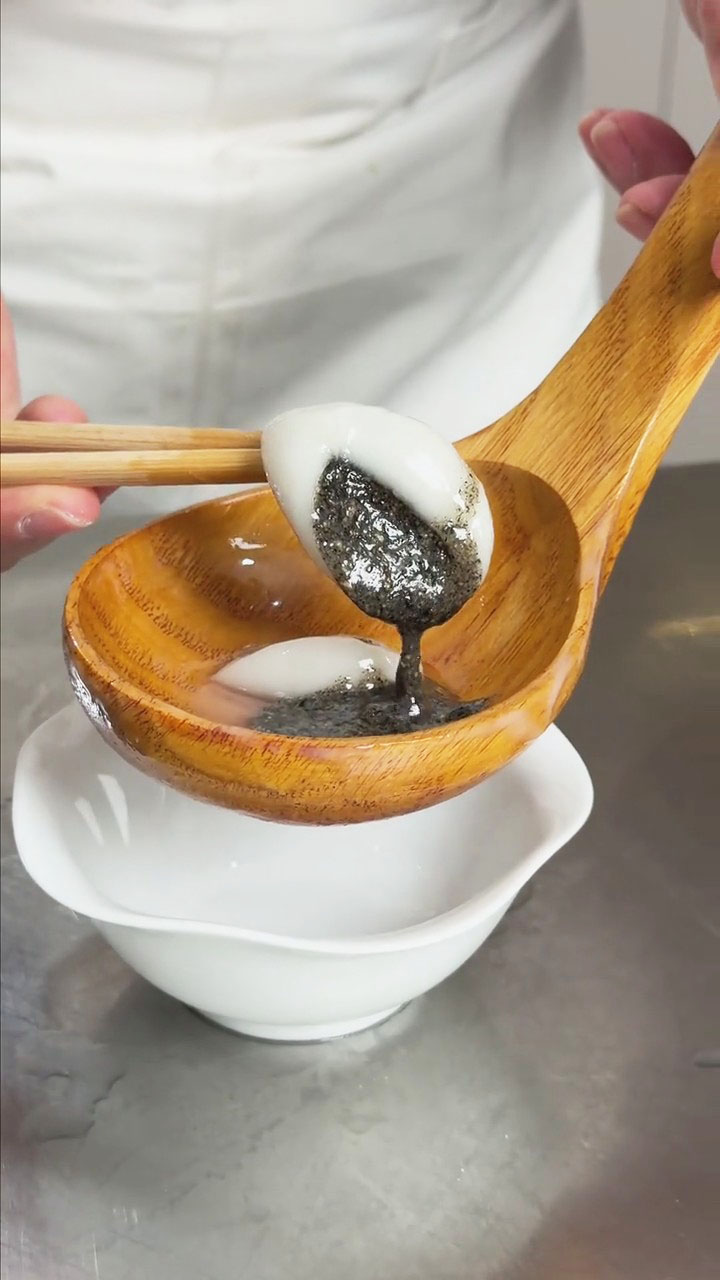
Contents
Why you’ll love this recipe
-
Gooey lava-style filling that flows beautifully
-
Soft, stretchy glutinous rice skin that won’t crack
-
Make-ahead friendly — freeze and cook anytime
-
Detailed tips to prevent leaking or splitting
-
Classic festive flavor with a homemade touch
Ingredients
(Makes about 25–30 tangyuan)
Lava Filling
-
80g roasted peanuts
-
60g roasted black sesame seeds
-
60g granulated sugar
-
80g lard (or 80g butter as substitute)
-
60g honey
Tangyuan Dough
-
400g glutinous rice flour (water-milled preferred)
-
160g boiling water
-
140g cold water
-
20g dry glutinous rice flour (for dusting)
Tools
-
1 food processor or blender
-
2 mixing bowls
-
1 tray lined with parchment
-
1 damp towel
-
1 pot
-
1 silicone spatula
Instructions
Step 1: Prepare the Lava Filling (Freezing Is Key)
Add 80g roasted peanuts and 60g roasted black sesame seeds into a food processor. Pulse until finely ground. A slight texture is good — don’t over-process into paste.
Transfer to a bowl and mix in 60g sugar, 80g lard, and 60g honey. Stir thoroughly. The mixture will look loose and crumbly — this is normal.
Freeze for 30 minutes until semi-firm. Scoop into small portions (about 7–8g each) and roll into smooth balls. Freeze again for 10 minutes until fully firm. This prevents leaking when wrapping.
Note: Lard is essential for the lava effect. It solidifies when cold and melts into a flowing center when heated. Butter can substitute but will slightly change the flavor.
Step 2: Make the Dough (Hot-Water Method)
Place 400g glutinous rice flour in a bowl. Pour in 160g boiling water all at once and stir quickly with chopsticks until shaggy crumbs form. This hot-water step improves elasticity and prevents cracking.
Once slightly cooled, gradually add 140g cold water while mixing until no dry flour remains.
Knead into a smooth, soft dough. It may feel slightly sticky at first — that’s normal. Knead until smooth and pliable.
Note: Avoid adding extra flour unless absolutely necessary. Too much flour makes the skin tough.
Step 3: Wrap the Tangyuan
Knead the dough briefly again. Divide into equal portions (about 16–17g each). Roll into smooth balls.
Flatten one piece into a disc, keeping the center slightly thicker and edges thinner. Place a frozen filling ball in the center.
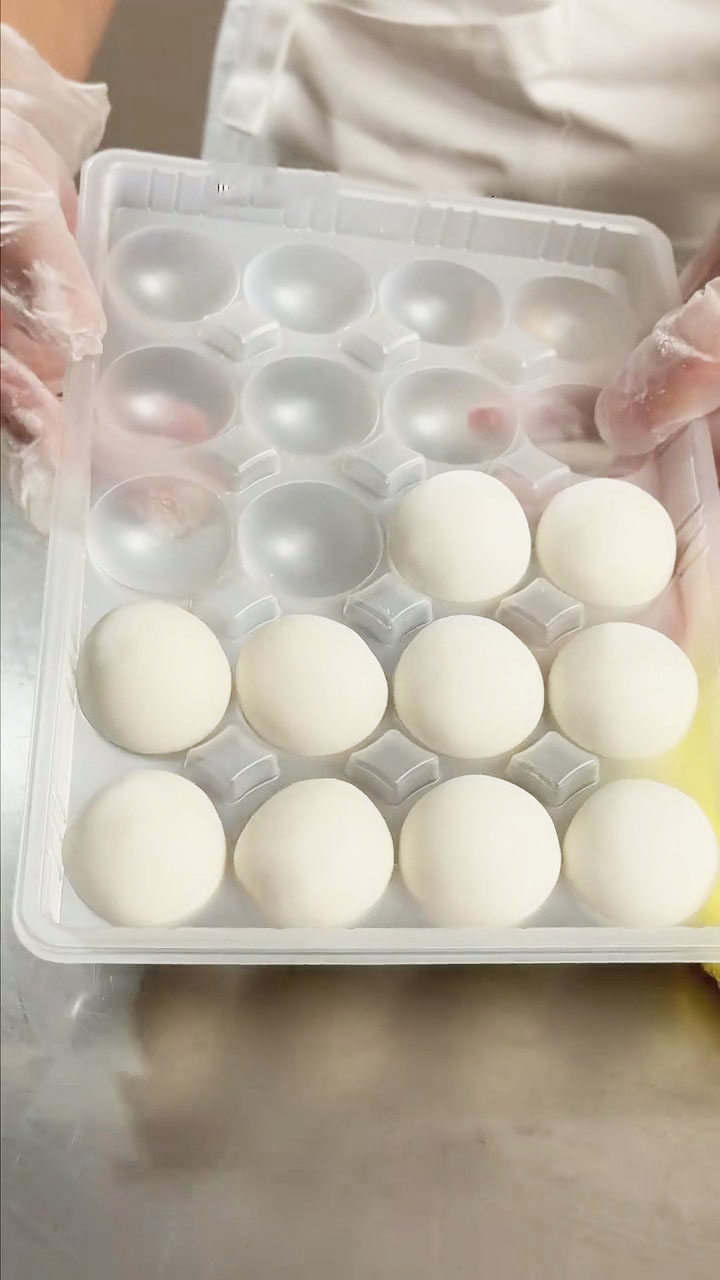
Carefully gather the edges upward, sealing tightly without trapping air. Pinch firmly to close and roll gently into a smooth ball.
Lightly dust with dry glutinous rice flour to prevent sticking. Repeat with remaining pieces.
Uncooked tangyuan can be frozen immediately for later use.
Note: Trapped air may cause splitting during cooking. Seal tightly and press firmly.
Step 4: Cook the Tangyuan
Bring a pot of water to a full boil. Gently drop the tangyuan in along the side of the pot. Stir gently to prevent sticking.
Cook over high heat. Stir 2–3 times before they float.
When all tangyuan float and slightly expand, they are fully cooked. Remove immediately.
Serve plain or in ginger brown sugar syrup or osmanthus honey syrup for extra flavor.
Note: Do not overcook. Prolonged boiling makes the skin overly soft.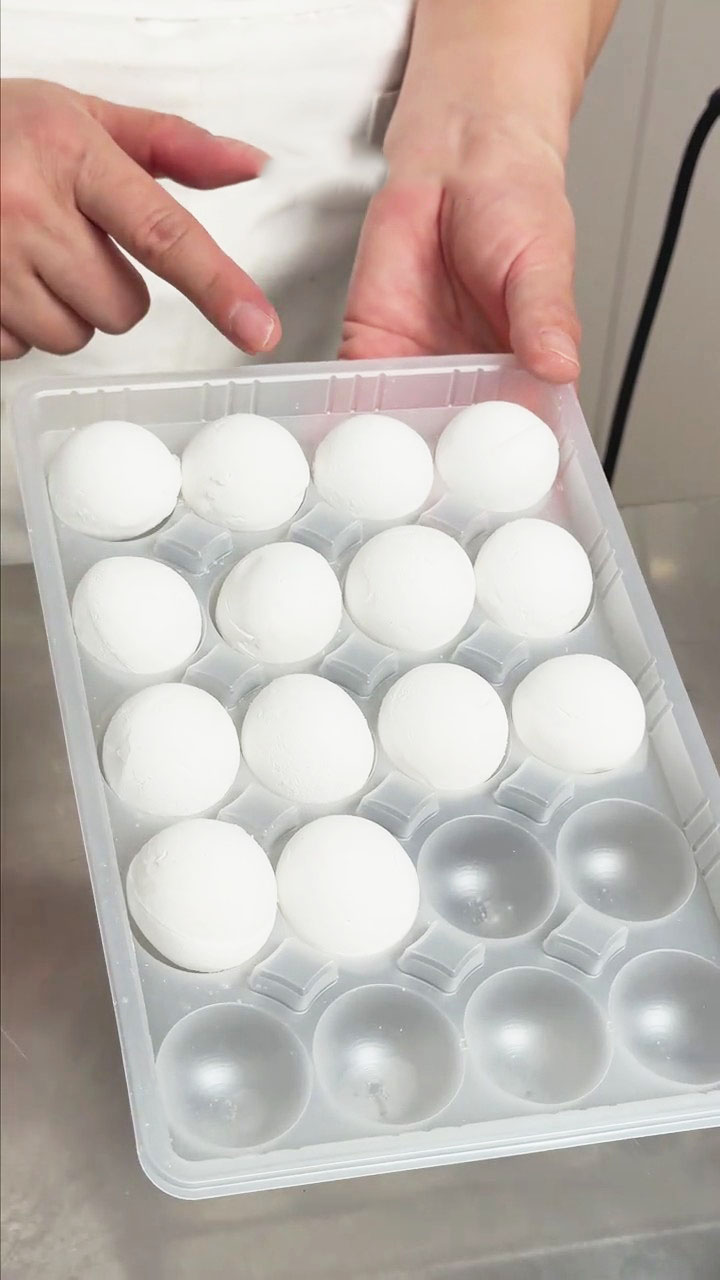
Tips for Success
-
Freeze the filling properly: Firm centers are easier to wrap and prevent leakage.
-
Use boiling water first: This creates elasticity and prevents cracking.
-
Seal carefully: No air pockets allowed.
-
Cook straight from frozen: No need to thaw; add directly to boiling water.
-
Float = done: Once they rise and swell slightly, they’re ready.
Frequently Asked Questions
Why did my tangyuan leak?
The filling wasn’t frozen long enough, or the seal wasn’t tight. Always freeze until firm and pinch securely.
Can I use butter instead of lard?
Yes, use equal weight butter. The texture remains gooey but flavor will be slightly creamier.
How long can I freeze them?
Store sealed in the freezer for up to 1 month. Cook directly from frozen.
Why did my skin crack?
Either the dough was too dry or air was trapped inside. Follow the hot-water method and seal tightly.
Soft, chewy, and bursting with nutty lava filling — these homemade tangyuan bring warmth and celebration to every bite.
Homemade Lava Black Sesame Peanut Tangyuan (Soft & Gooey Glutinous Rice Balls)
Ingredients
Lava Filling
- 80 g roasted peanuts
- 60 g roasted black sesame seeds
- 60 g granulated sugar
- 80 g lard or 80g butter as substitute
- 60 g honey
Tangyuan Dough
- 400 g glutinous rice flour water-milled preferred
- 160 g boiling water
- 140 g cold water
- 20 g dry glutinous rice flour for dusting
Tools
- 1 food processor or blender
- 2 mixing bowls
- 1 tray lined with parchment
- 1 damp towel
- 1 pot
- 1 silicone spatula
Instructions
Step 1: Prepare the Lava Filling (Freezing Is Key)
- Add 80g roasted peanuts and 60g roasted black sesame seeds into a food processor. Pulse until finely ground. A slight texture is good — don’t over-process into paste.
- Transfer to a bowl and mix in 60g sugar, 80g lard, and 60g honey. Stir thoroughly. The mixture will look loose and crumbly — this is normal.
- Freeze for 30 minutes until semi-firm. Scoop into small portions (about 7–8g each) and roll into smooth balls. Freeze again for 10 minutes until fully firm. This prevents leaking when wrapping.
- Note: Lard is essential for the lava effect. It solidifies when cold and melts into a flowing center when heated. Butter can substitute but will slightly change the flavor.
Step 2: Make the Dough (Hot-Water Method)
- Place 400g glutinous rice flour in a bowl. Pour in 160g boiling water all at once and stir quickly with chopsticks until shaggy crumbs form. This hot-water step improves elasticity and prevents cracking.
- Once slightly cooled, gradually add 140g cold water while mixing until no dry flour remains.
- Knead into a smooth, soft dough. It may feel slightly sticky at first — that’s normal. Knead until smooth and pliable.
- Note: Avoid adding extra flour unless absolutely necessary. Too much flour makes the skin tough.
Step 3: Wrap the Tangyuan
- Knead the dough briefly again. Divide into equal portions (about 16–17g each). Roll into smooth balls.
- Flatten one piece into a disc, keeping the center slightly thicker and edges thinner. Place a frozen filling ball in the center.
- Carefully gather the edges upward, sealing tightly without trapping air. Pinch firmly to close and roll gently into a smooth ball.
- Lightly dust with dry glutinous rice flour to prevent sticking. Repeat with remaining pieces.
- Uncooked tangyuan can be frozen immediately for later use.
- Note: Trapped air may cause splitting during cooking. Seal tightly and press firmly.
Step 4: Cook the Tangyuan
- Bring a pot of water to a full boil. Gently drop the tangyuan in along the side of the pot. Stir gently to prevent sticking.
- Cook over high heat. Stir 2–3 times before they float.
- When all tangyuan float and slightly expand, they are fully cooked. Remove immediately.
- Serve plain or in ginger brown sugar syrup or osmanthus honey syrup for extra flavor.
- Note: Do not overcook. Prolonged boiling makes the skin overly soft.
Video


