I love turning simple pantry ingredients into something exciting, and these Hot-Water Dough Hollow Fried Buns are one of my favorite comfort snacks.
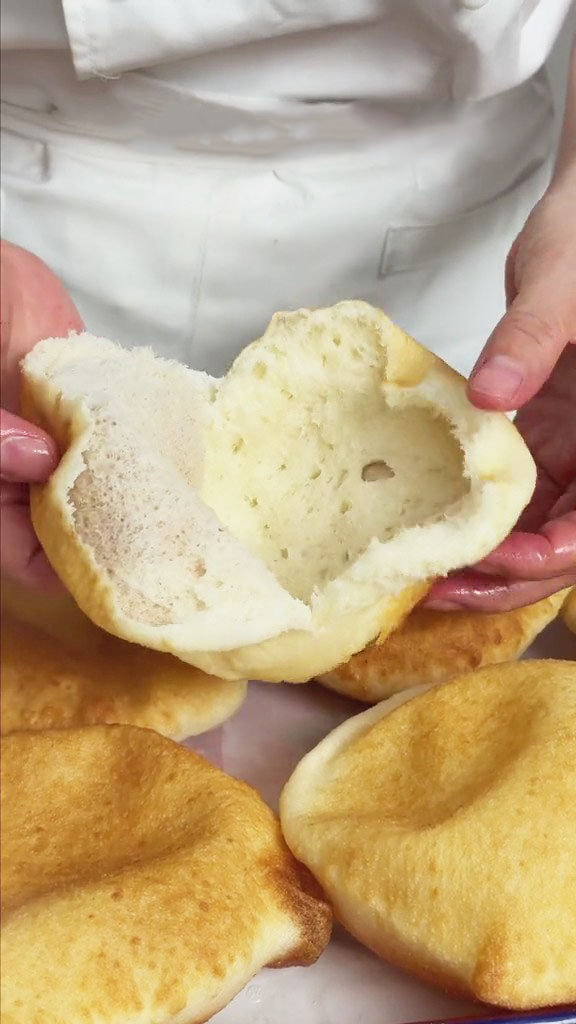
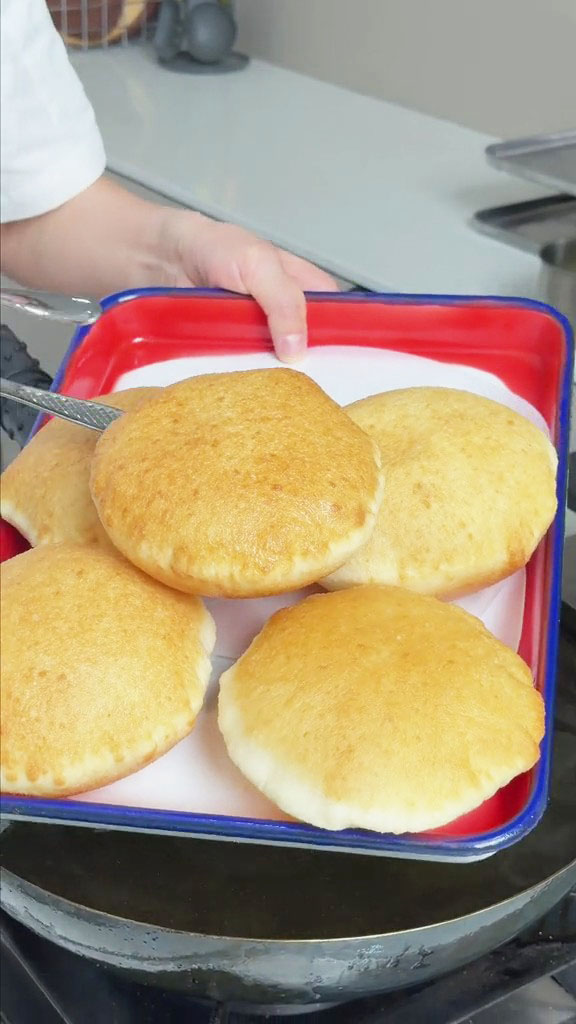
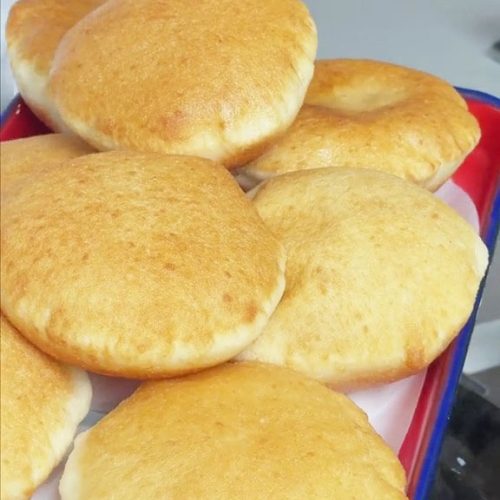
The dough is soft and pillowy, while high-heat frying creates a golden crispy shell with a big hollow center. They’re surprisingly light, not greasy at all, and perfect for eating plain or stuffing with your favorite fillings.
These hollow fried buns are a classic style of Chinese fried flatbread made with scalded dough (tangmian) and yeast fermentation. The hot water partially cooks the flour, giving the bread its signature soft texture—even after cooling.
If you enjoy fried Chinese breads, you can also try my Lazy Crispy Fried Flatbread, Homemade Crispy Hollow Fried Dough Sticks (You Tiao), and Crispy Fried Flatbread: Fluffy Inside, Crunchy Outside, which are all delicious variations of crispy street-style dough snacks.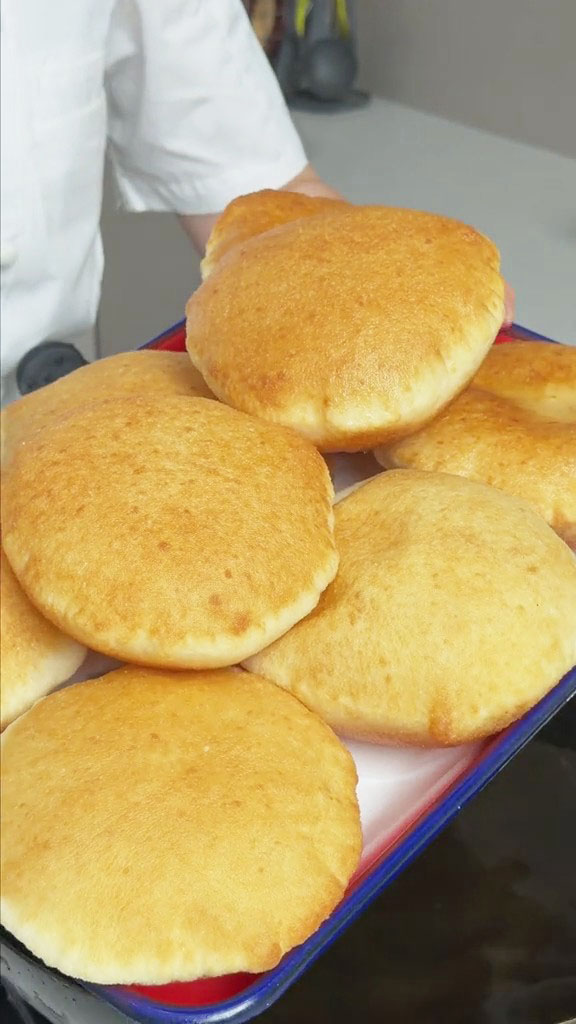
Contents
Why you’ll love this recipe
-
Super soft texture – The hot-water dough keeps the bread tender and fluffy.
-
Crispy outside, hollow inside – Perfect golden shell with a light airy center.
-
Not greasy – High-heat frying helps the dough puff quickly and absorb less oil.
-
Versatile – Enjoy them plain or stuff with meat, vegetables, or eggs.
-
Beginner friendly – Simple ingredients and easy shaping.
Ingredients
Dough
500g all-purpose flour
4–5g salt
150g boiling water
180g cold water
Fermentation
5g baking powder (optional)
5g yeast
5g sugar
Other
extra flour for dusting
cooking oil for deep frying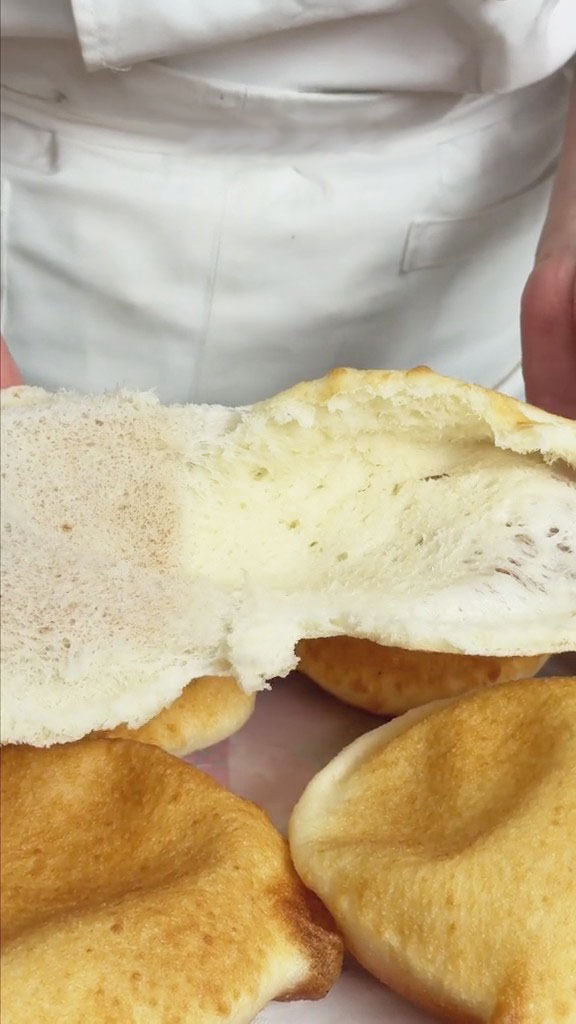
Instructions
Step 1 – Make the hot-water dough
In a large bowl, combine 500g flour and 4–5g salt and mix well.
Pour in 150g boiling water and quickly stir with chopsticks until the flour forms small clumps with no dry patches. Then add 180g cold water and continue mixing until the dough comes together.
Let the dough rest for several minutes until it cools to room temperature. The dough should no longer feel warm before adding yeast.
Step 2 – Add yeast and knead
Add 5g yeast, 5g baking powder (optional), and 5g sugar.
Knead the dough until smooth and elastic. Continue kneading until the surface becomes soft and smooth.
Place the dough into a bowl, cover, and let it ferment in a warm place until doubled in size. The inside should show a honeycomb texture.
Step 3 – Degas and divide
Transfer the dough onto a work surface and knead again to remove excess air until it returns close to its original size.
Roll the dough into a long log and divide into 70–80g portions.
Shape each portion into a smooth ball, cover, and let them rest for 5 minutes so the gluten relaxes.
Step 4 – Roll the dough
Lightly dust the surface with flour.
Roll each dough ball into a round disc about 0.5–0.8cm thick.
Important:
If small air bubbles appear, do not pop them. These bubbles help create the hollow center when frying.
Step 5 – Fry the hollow buns
Heat a pot with enough oil for deep frying.
The ideal oil temperature is 180–200°C. To test: place a dough disc into the oil—if it floats within 2 seconds, the oil is ready.
Carefully add the dough into the oil. It will quickly puff up. Fry until one side turns golden, then flip and fry the other side.
Keep the heat high so the dough sets quickly and absorbs less oil.
Once both sides are golden and the bun is fully puffed and hollow, remove and drain on paper towels.
Serve hot.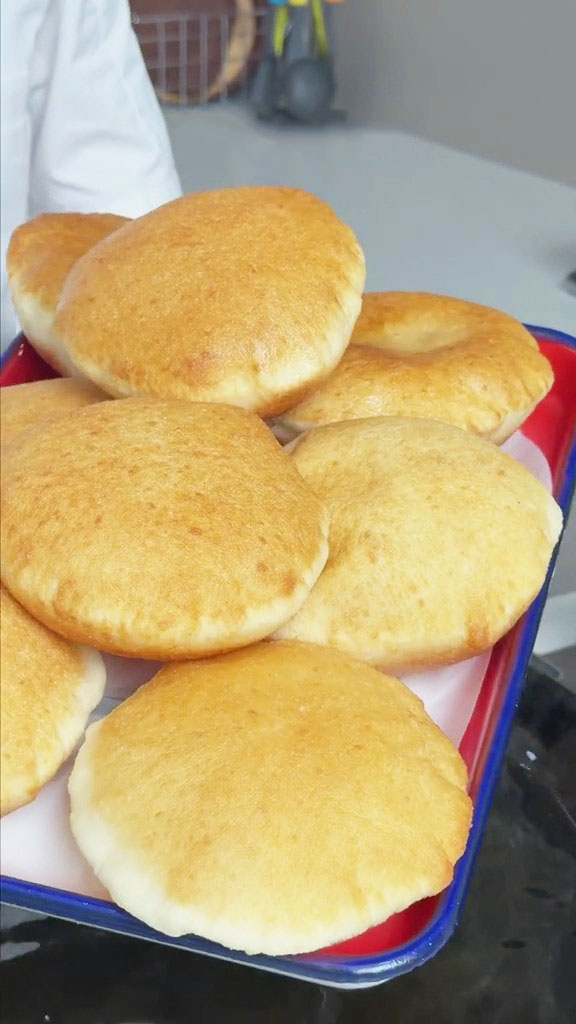
Notes
-
The boiling water is essential for making hot-water dough and keeping the bread soft.
-
Always let the dough cool before adding yeast, otherwise the yeast may lose activity.
-
Baking powder is optional, but it helps the buns puff more dramatically.
-
Do not puncture the bubbles while rolling—these help create the hollow center.
-
Frying at high oil temperature is the key to a crispy exterior with less oil absorption.
Frequently Asked Questions
Why didn’t my buns puff up?
This usually happens if the oil temperature is too low or if the bubbles were pressed out during rolling.
Can I skip the baking powder?
Yes. The buns will still work with yeast alone, though the hollow effect may be slightly smaller.
Why use both hot and cold water?
The boiling water partially cooks the flour for softness, while cold water balances the dough temperature.
How do I know the oil is hot enough?
Drop in a small piece of dough. If it floats within about 2 seconds and bubbles immediately, the oil is ready.
How should I serve these?
They’re delicious plain, but you can also slice them open and fill them with braised meat, stir-fried vegetables, or eggs for a hearty sandwich.
Hot-Water Dough Hollow Fried Buns (Crispy Outside, Soft & Hollow Inside)
Ingredients
Dough
- 500 g all-purpose flour
- 4 –5g salt
- 150 g boiling water
- 180 g cold water
Fermentation
- 5 g baking powder optional
- 5 g yeast
- 5 g sugar
Other
- extra flour for dusting
- cooking oil for deep frying
Instructions
Step 1 – Make the hot-water dough
- In a large bowl, combine 500g flour and 4–5g salt and mix well.
- Pour in 150g boiling water and quickly stir with chopsticks until the flour forms small clumps with no dry patches. Then add 180g cold water and continue mixing until the dough comes together.
- Let the dough rest for several minutes until it cools to room temperature. The dough should no longer feel warm before adding yeast.
Step 2 – Add yeast and knead
- Add 5g yeast, 5g baking powder (optional), and 5g sugar.
- Knead the dough until smooth and elastic. Continue kneading until the surface becomes soft and smooth.
- Place the dough into a bowl, cover, and let it ferment in a warm place until doubled in size. The inside should show a honeycomb texture.
Step 3 – Degas and divide
- Transfer the dough onto a work surface and knead again to remove excess air until it returns close to its original size.
- Roll the dough into a long log and divide into 70–80g portions.
- Shape each portion into a smooth ball, cover, and let them rest for 5 minutes so the gluten relaxes.
Step 4 – Roll the dough
- Lightly dust the surface with flour.
- Roll each dough ball into a round disc about 0.5–0.8cm thick.
Important:
- If small air bubbles appear, do not pop them. These bubbles help create the hollow center when frying.
Step 5 – Fry the hollow buns
- Heat a pot with enough oil for deep frying.
- The ideal oil temperature is 180–200°C. To test: place a dough disc into the oil—if it floats within 2 seconds, the oil is ready.
- Carefully add the dough into the oil. It will quickly puff up. Fry until one side turns golden, then flip and fry the other side.
- Keep the heat high so the dough sets quickly and absorbs less oil.
- Once both sides are golden and the bun is fully puffed and hollow, remove and drain on paper towels.
- Serve hot.
Video


