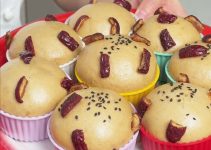
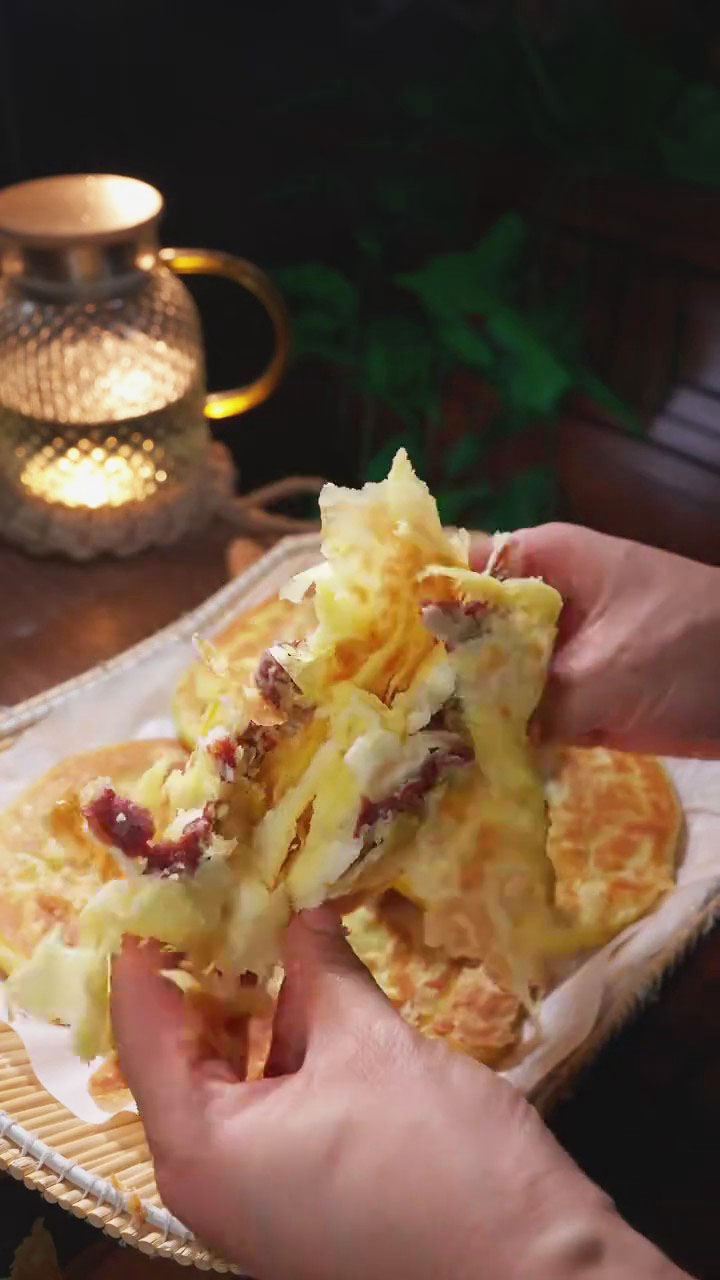
I love making these Crispy Red Bean Pastry Cakes whenever I want a comforting homemade treat. The crust turns incredibly flaky and crumbly, while the sweet red bean filling stays soft and smooth.
They’re perfect for breakfast with porridge or as an afternoon snack. Even beginners can make them successfully with this simple step-by-step method.
These pastries are made with a soft water-oil dough and a fragrant oil paste that creates beautiful flaky layers.
After shaping and pan-toasting, the outside becomes golden and crisp, while the inside stays tender with a rich, sweet bean filling. Freshly cooked, they practically crumble at the first bite.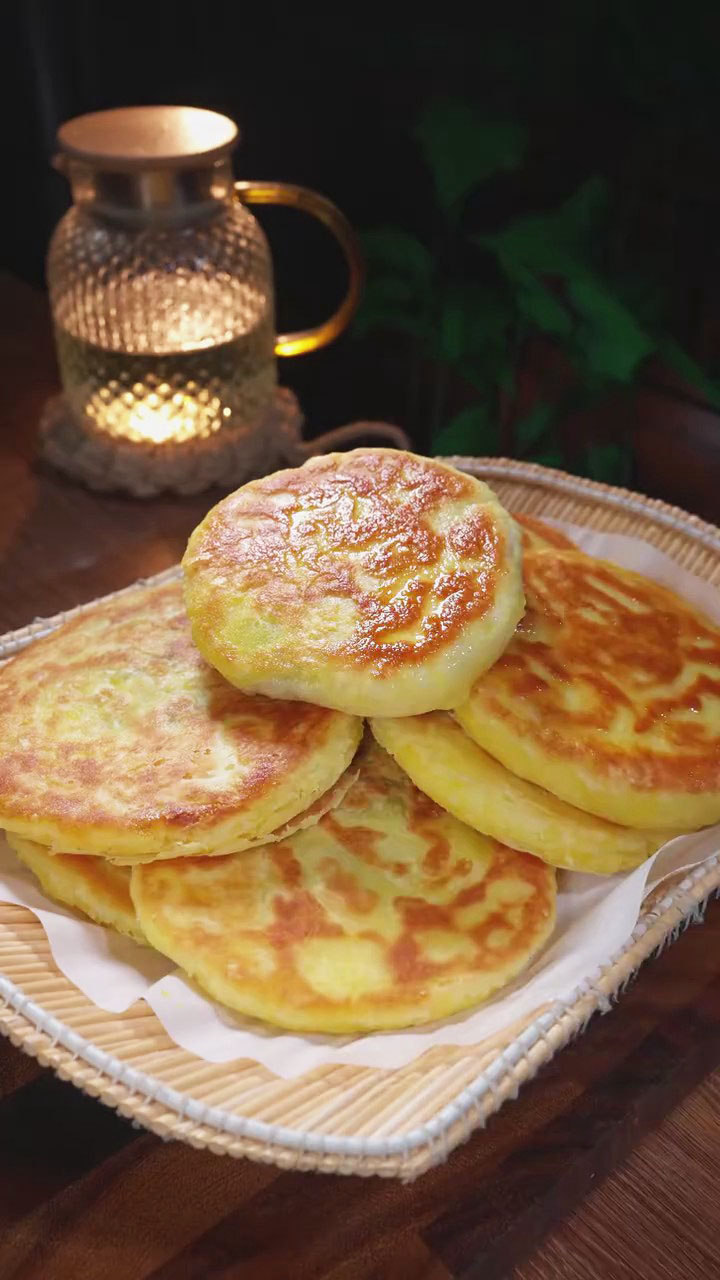
Contents
Why You’ll Love This Recipe
-
Flaky and crumbly crust with soft sweet filling
-
Simple ingredients and beginner-friendly method
-
Perfect for breakfast or snacks
-
Beautiful layered texture created with oil pastry
-
Stays soft inside even after cooling
If you love working with red bean paste, you might also enjoy trying these homemade favorites made with the same sweet, smooth filling:
Ingredients
Water-Oil Dough
500g all-purpose flour
3g baking powder
15g sugar
5g yeast
340g lukewarm water
10g lard
Oil Paste (for flaky layers)
50g all-purpose flour
30g hot oil
Filling and Extras
300g red bean paste
20g dry flour (for dusting)
10g white sesame seeds (optional)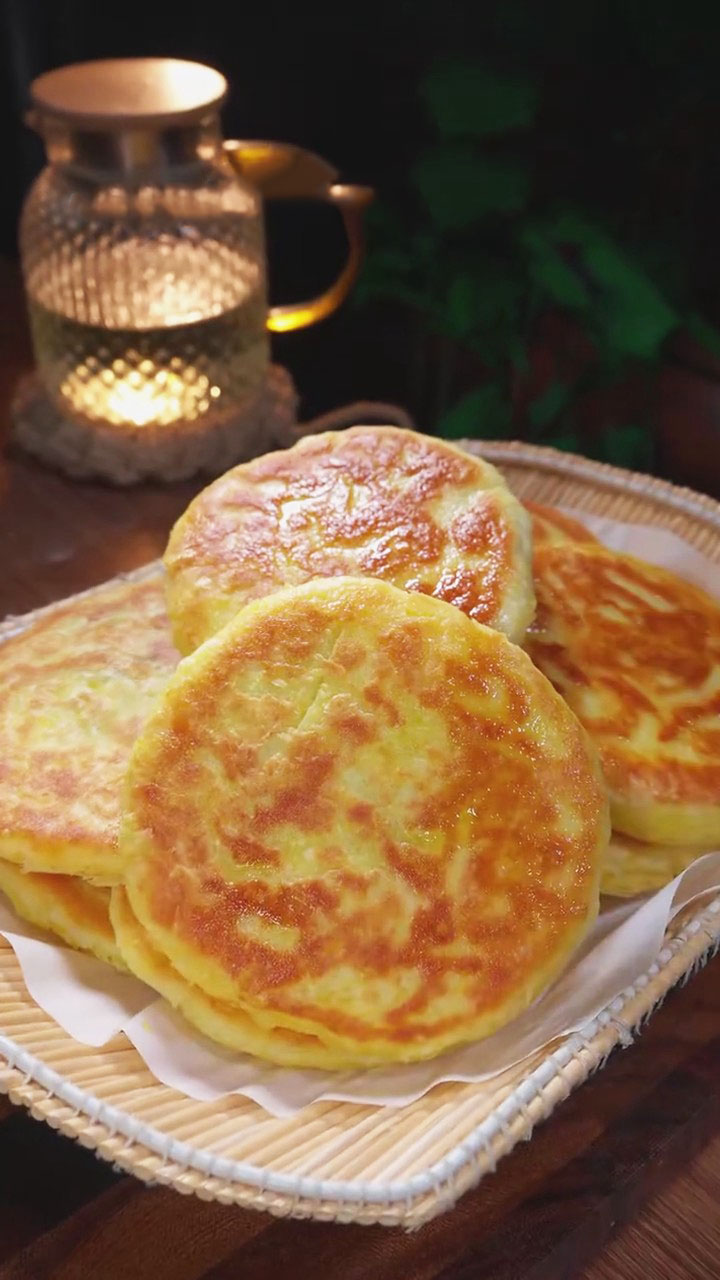
Instructions
Step 1: Prepare the Water-Oil Dough
In a large bowl, combine flour, baking powder, sugar, and yeast. Mix well so the dry ingredients are evenly distributed.
Gradually pour in the lukewarm water while stirring in one direction until the flour forms shaggy clumps.
Add the lard and knead the dough until it becomes smooth and soft.
Place the dough back into the bowl, cover it, and let it rest in a warm place until it rises to about 1.5 times its original size.
Note: Proper fermentation creates a light texture and prevents the pastry from becoming dense.
Step 2: Make the Oil Paste
Place the flour in a small bowl. Slowly pour the hot oil over it while stirring quickly with chopsticks.
Mix until a thick, smooth paste forms with no dry flour remaining. Let it cool completely before using.
Note: The oil should be hot (about 80–90°C) but not smoking. Too hot may cook the flour and affect the pastry layers.
Step 3: Roll and Layer the Dough
Transfer the risen dough to a lightly floured surface. Gently press and knead it briefly to release excess air.
Roll the dough into a large thin sheet about 2–3mm thick.
Spread the cooled oil paste evenly across the dough, leaving about 1cm of space along the edges.
Roll the dough tightly into a log. The tighter the roll, the more distinct the flaky layers will be.
Step 4: Divide and Fill
Cut the dough log into equal portions, about 40–50g each.
Seal both ends of each piece to prevent the oil paste from leaking, then flatten slightly. Cover and let them rest for 5 minutes to relax the gluten.
Roll each piece into a round wrapper with a thicker center and thinner edges.
Place 20–25g red bean paste in the center, then pinch the edges together like a bun to seal.
Turn the sealed side down and gently flatten into a round cake about 1cm thick.
Brush the top lightly with water, sprinkle sesame seeds if desired, and poke a few small holes with a toothpick.
Let the shaped cakes rest for 5 minutes before cooking.
Step 5: Pan-Cook the Pastry Cakes
Preheat a skillet over low heat and lightly brush it with oil.
Place the cakes in the pan and cover with a lid. Cook slowly until the bottom becomes golden.
Flip carefully and continue cooking the other side until both sides are golden, crisp, and fragrant.
Press lightly—if the pastry springs back quickly, it is fully cooked. Remove from the pan and serve warm.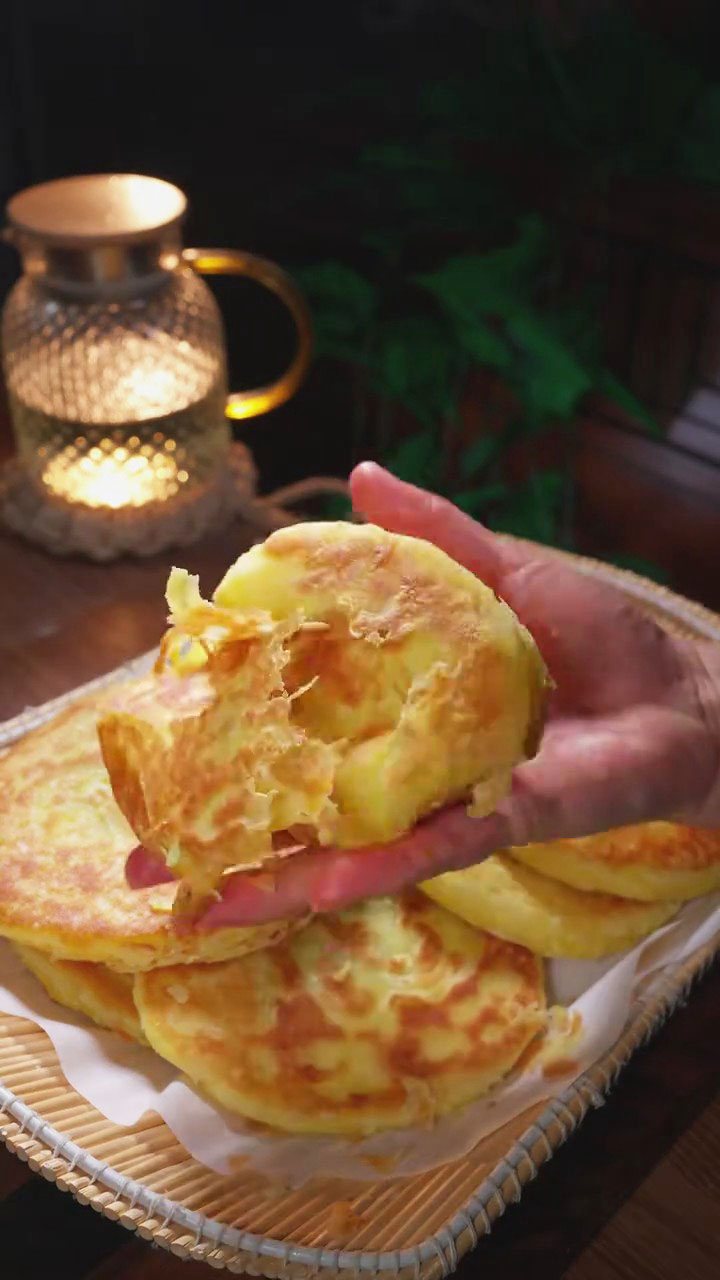
Notes
Dough Fermentation
Let the dough rise only until 1.5 times its size. Over-proofing can cause a sour taste and sticky texture.
Lard for Flavor
Lard gives the pastry its characteristic fragrance and tenderness. Vegetable oil can be substituted, though the flavor will be milder.
Low Heat Cooking
Always cook over low heat. High heat can burn the outside before the inside cooks through and prevents proper flaky layers from forming.
Prevent Sticking
Lightly dust the work surface with flour as needed, but avoid using too much or the pastry layers may become dry.
Storage and Reheating
Store in an airtight container at room temperature for 2–3 days, or refrigerate for up to 5 days. Reheat in a skillet over low heat for 1–2 minutes or in an air fryer at 160°C for 3 minutes to restore crispness.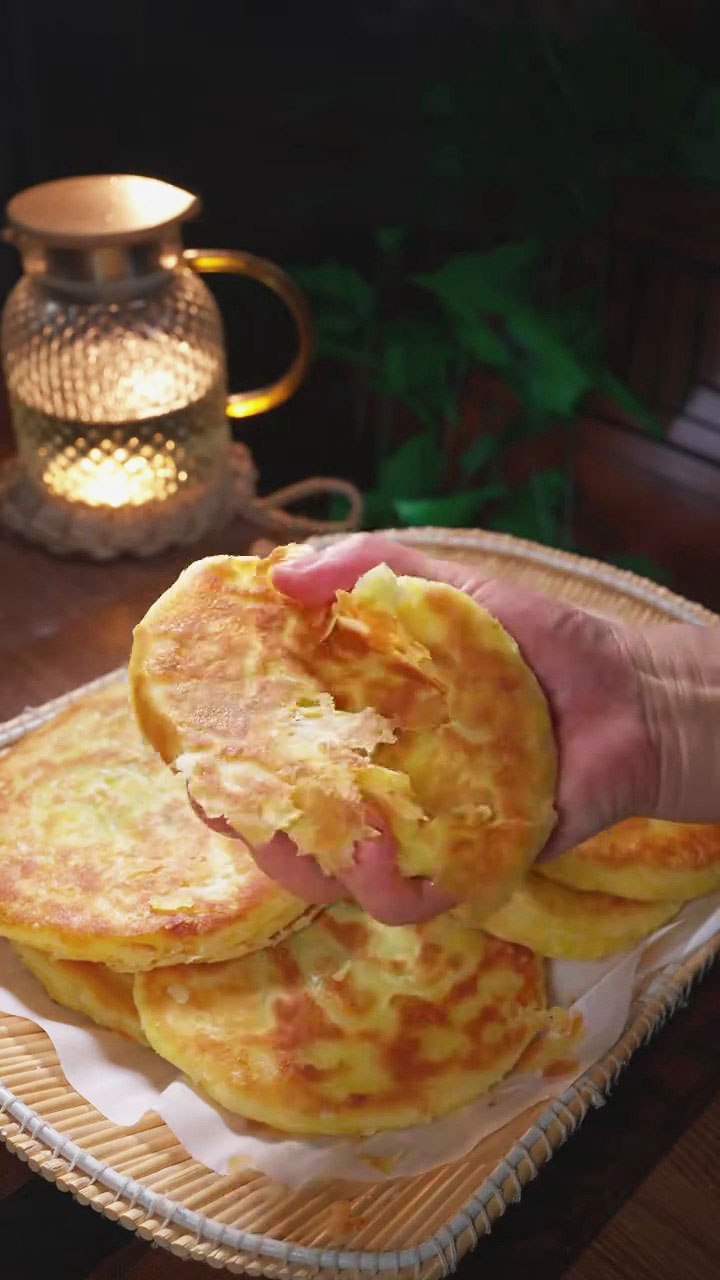
Frequently Asked Questions
Can I replace the red bean filling?
Yes. You can use lotus seed paste, taro paste, black sesame paste, or sweet potato filling.
Why is my pastry not flaky?
The most common reason is the oil paste not being spread evenly or the dough roll not being tight enough. Proper layering is key to creating flaky pastry.
Can I bake these instead of pan-cooking?
Yes. Bake them in a 180°C oven for about 18–20 minutes until golden brown, though the texture will be slightly different from pan-cooked pastries.
Can I freeze the dough?
Yes. After shaping the filled cakes, you can freeze them. When ready to cook, thaw slightly and pan-cook over low heat until golden and fully heated through.
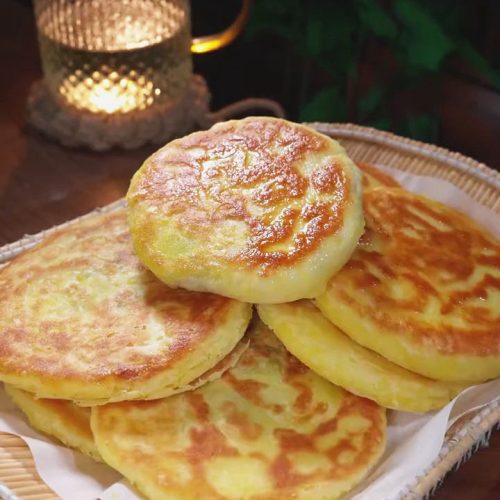
Crispy Red Bean Pastry Cakes
Ingredients
Water-Oil Dough
- 500 g all-purpose flour
- 3 g baking powder
- 15 g sugar
- 5 g yeast
- 340 g lukewarm water
- 10 g lard
Oil Paste (for flaky layers)
- 50 g all-purpose flour
- 30 g hot oil
Filling and Extras
- 300 g red bean paste
- 20 g dry flour for dusting
- 10 g white sesame seeds optional
Instructions
Step 1: Prepare the Water-Oil Dough
- In a large bowl, combine flour, baking powder, sugar, and yeast. Mix well so the dry ingredients are evenly distributed.
- Gradually pour in the lukewarm water while stirring in one direction until the flour forms shaggy clumps.
- Add the lard and knead the dough until it becomes smooth and soft.
- Place the dough back into the bowl, cover it, and let it rest in a warm place until it rises to about 1.5 times its original size.
- Note: Proper fermentation creates a light texture and prevents the pastry from becoming dense.
Step 2: Make the Oil Paste
- Place the flour in a small bowl. Slowly pour the hot oil over it while stirring quickly with chopsticks.
- Mix until a thick, smooth paste forms with no dry flour remaining. Let it cool completely before using.
- Note: The oil should be hot (about 80–90°C) but not smoking. Too hot may cook the flour and affect the pastry layers.
Step 3: Roll and Layer the Dough
- Transfer the risen dough to a lightly floured surface. Gently press and knead it briefly to release excess air.
- Roll the dough into a large thin sheet about 2–3mm thick.
- Spread the cooled oil paste evenly across the dough, leaving about 1cm of space along the edges.
- Roll the dough tightly into a log. The tighter the roll, the more distinct the flaky layers will be.
Step 4: Divide and Fill
- Cut the dough log into equal portions, about 40–50g each.
- Seal both ends of each piece to prevent the oil paste from leaking, then flatten slightly. Cover and let them rest for 5 minutes to relax the gluten.
- Roll each piece into a round wrapper with a thicker center and thinner edges.
- Place 20–25g red bean paste in the center, then pinch the edges together like a bun to seal.
- Turn the sealed side down and gently flatten into a round cake about 1cm thick.
- Brush the top lightly with water, sprinkle sesame seeds if desired, and poke a few small holes with a toothpick.
- Let the shaped cakes rest for 5 minutes before cooking.
Step 5: Pan-Cook the Pastry Cakes
- Preheat a skillet over low heat and lightly brush it with oil.
- Place the cakes in the pan and cover with a lid. Cook slowly until the bottom becomes golden.
- Flip carefully and continue cooking the other side until both sides are golden, crisp, and fragrant.
- Press lightly—if the pastry springs back quickly, it is fully cooked. Remove from the pan and serve warm.
Video